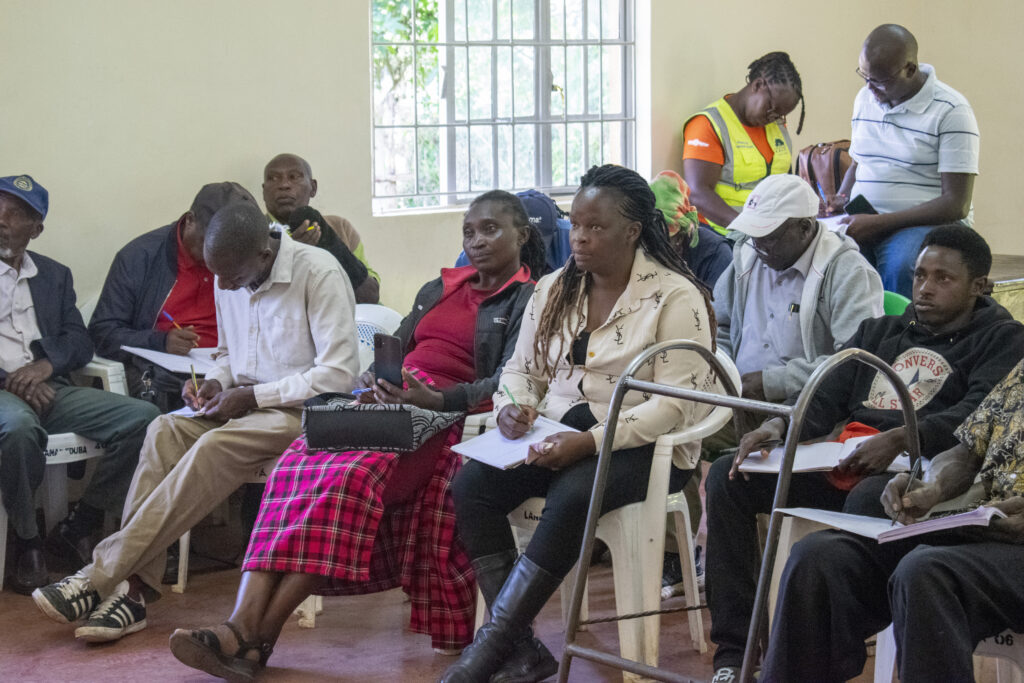
Representatives from all the Common Interest Groups (CIGs) participated in an impactful training session on Village Savings and Loan Associations (VSLA) and Financial Literacy, aimed at strengthening community resilience and supporting the development of regenerative and inclusive food systems. The training was facilitated by a representative from Biovision Africa Trust, whose expertise provided participants with practical knowledge and tools to enhance financial management at both household and group levels.
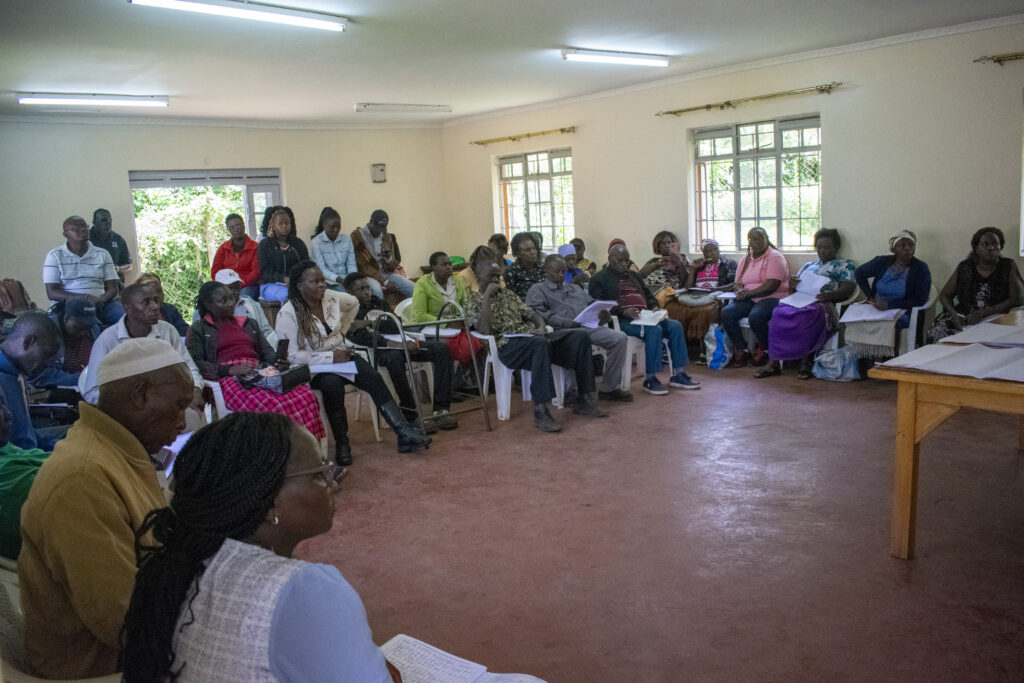
The session brought together diverse community representatives committed to advancing sustainable agriculture, environmental stewardship, and inclusive economic development. The training focused on empowering participants with skills in savings mobilization, loan management, financial planning, record keeping, and group accountability—key components that contribute to stronger and more self-reliant communities.
Village Savings and Loan Associations continue to play a significant role in rural transformation by creating accessible community-based financial systems that support individuals who may have limited access to formal financial institutions. Through VSLA structures, community members are able to save collectively, access affordable loans, invest in productive activities, and build financial resilience. These mechanisms are particularly important in promoting regenerative agriculture practices, as they provide farmers and local groups with the financial capacity needed to invest in sustainable farming methods, climate-smart technologies, and diversified livelihoods.
The training also highlighted the strong connection between financial literacy and regenerative and inclusive food systems. Sustainable food systems require not only environmentally sound agricultural practices, but also economically empowered communities capable of making informed financial decisions. By improving financial management skills, participants are better equipped to support food production systems that protect natural resources, improve soil health, enhance biodiversity, and ensure equitable participation across communities.
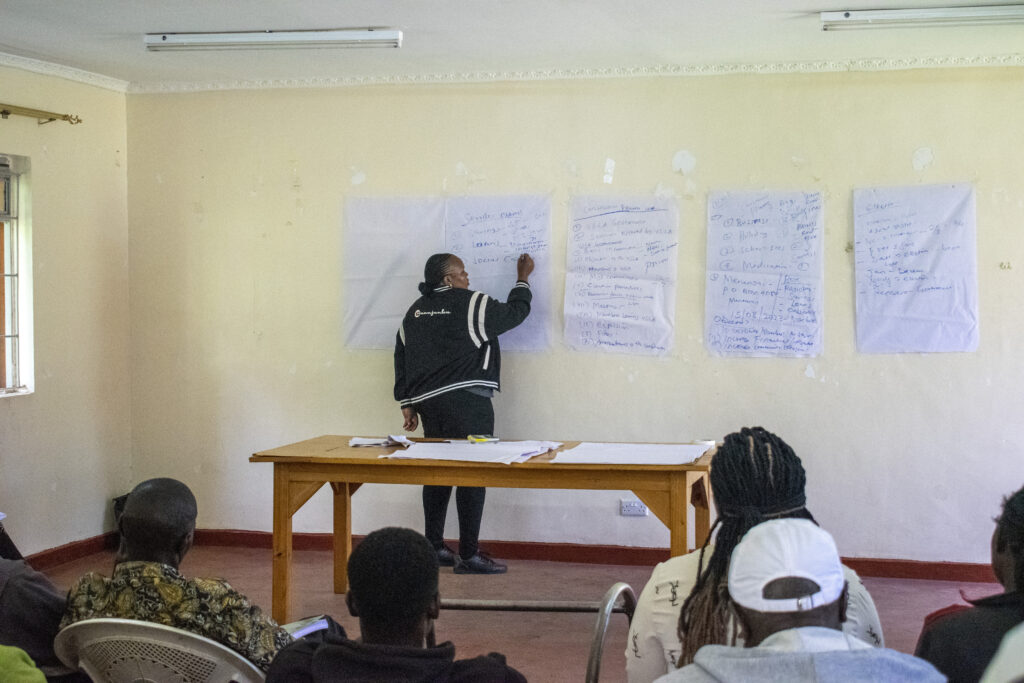
Special emphasis was placed on inclusivity, recognizing the critical role that women, youth, and marginalized groups play in transforming local food systems. By strengthening financial knowledge and promoting collective savings models, the initiative contributes to creating opportunities for broader participation in agricultural value chains and local economic development.
Participants engaged actively throughout the session, sharing experiences, discussing challenges faced within their groups, and exploring practical solutions that can be implemented within their communities. The interactive nature of the training fostered peer learning and encouraged collaboration among the different Common Interest Groups.
This activity reflects the continued commitment to building resilient communities that are capable of driving sustainable change through regenerative agriculture, financial empowerment, and inclusive development approaches. As communities continue to strengthen their financial capacities, they become better positioned to invest in sustainable food systems that improve livelihoods while safeguarding the environment for future generations.